 Add to Preferred Sources
 Add

Limited-Time Offer: Move Your Company to the Marshall Islands with No Transfer-In Fee
For a limited period only, the Republic of the Marshall Islands (RMI...

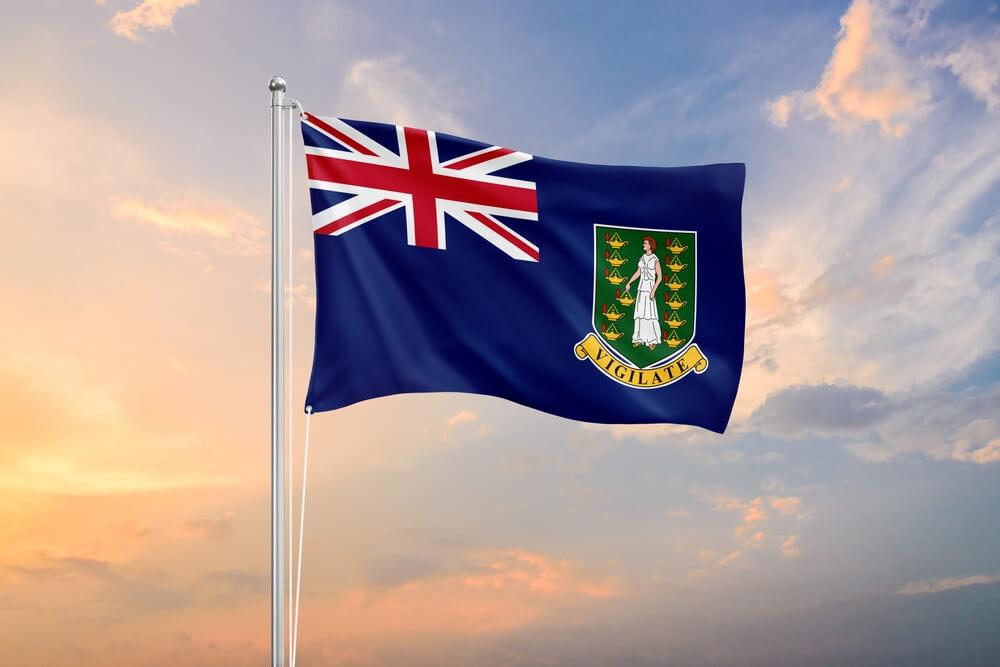
On 2 November 2026, the BVI Financial Services Commission (FSC) published two statutory orders amending the BVI financial annual return regime for business companies and limited partnerships. The orders took effect the same day. The changes apply to returns that must be filed from 2027 onwards.
The new forms require far more detail on assets, revenue and expenses. The FSC expects to publish guidance on completing them on its website by 6 November 2026.
Both orders were gazetted on 30 October 2026. The FSC announced them in Industry Circular 29 of 2026.
The company return is still a balance sheet and an income statement, but assets now fall under six headings, and most must be listed and valued by type:
Revenue and operating expenses must also be split into categories, with a value for each item. The categories depend on what the company does.
The limited partnership return uses the same asset headings, with trade and other receivables in place of loans and receivables. Liabilities are split into trade and other payables, borrowings and other liabilities. The income statement adds lines for unrealised and realised gains or losses, interest income and interest expense, and shows net income both before and after interest.
The FSC says the changes apply to returns that “must be filed/submitted from 2027 onwards”. The test therefore appears to be the filing date, not the financial year. Returns are due within nine months of the financial year end, so a company with a 31 December 2026 year end would file on the new form by 30 September 2027.
A company with an earlier 2026 year end and a filing date in 2027 also appears to be caught, which would mean reporting a year that has already closed in the new format. The FSC’s guidance should confirm this.
The orders replace only the form of the return. For filing deadlines, exemptions and penalties, see our complete guide to the BVI financial annual return.
For a limited period only, the Republic of the Marshall Islands (RMI...

On 9 October 2026, EU finance ministers meeting at ECOFIN removed Panama from Annex...

The Eastern Caribbean High Court has delivered an important ruling for offshore...

Wednesday, 8 April 2026 Interview with Dr. Luigi Wewege: Navigating the Future of International...

Please describe your needs to receive an informative response
We will check the availability of this name in the selected jurisdiction. Provide your contacts for feedback.